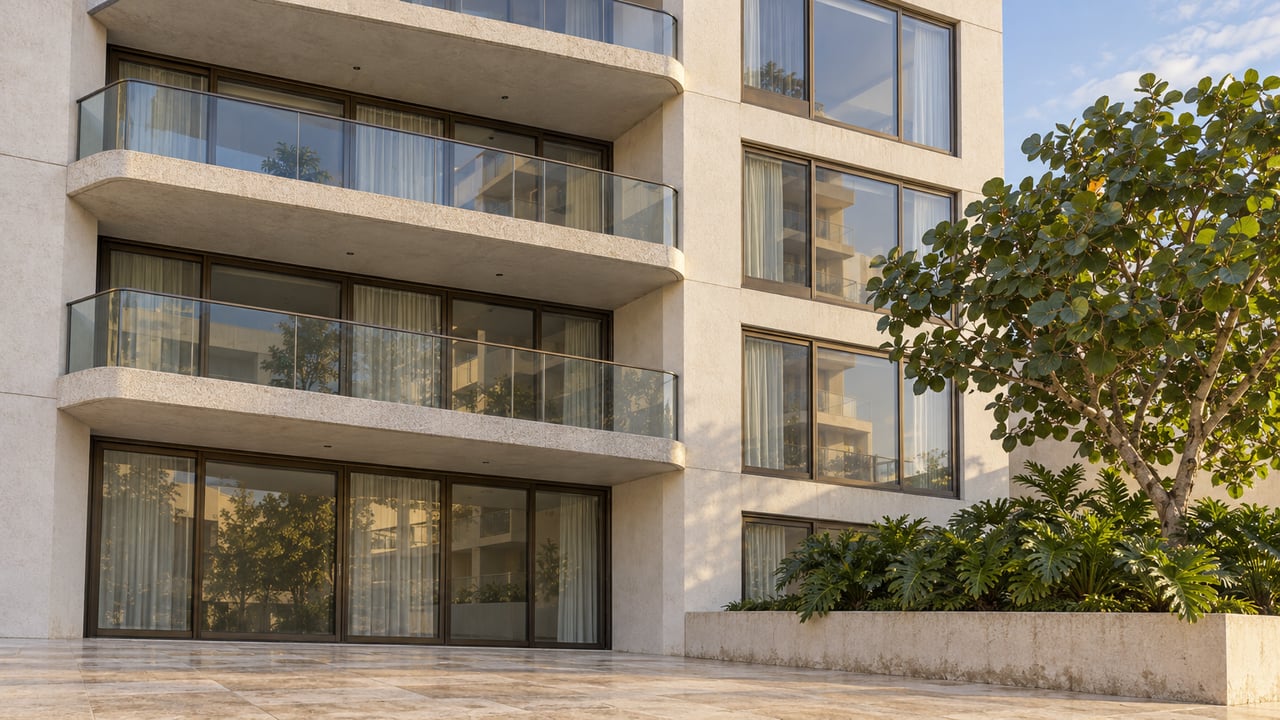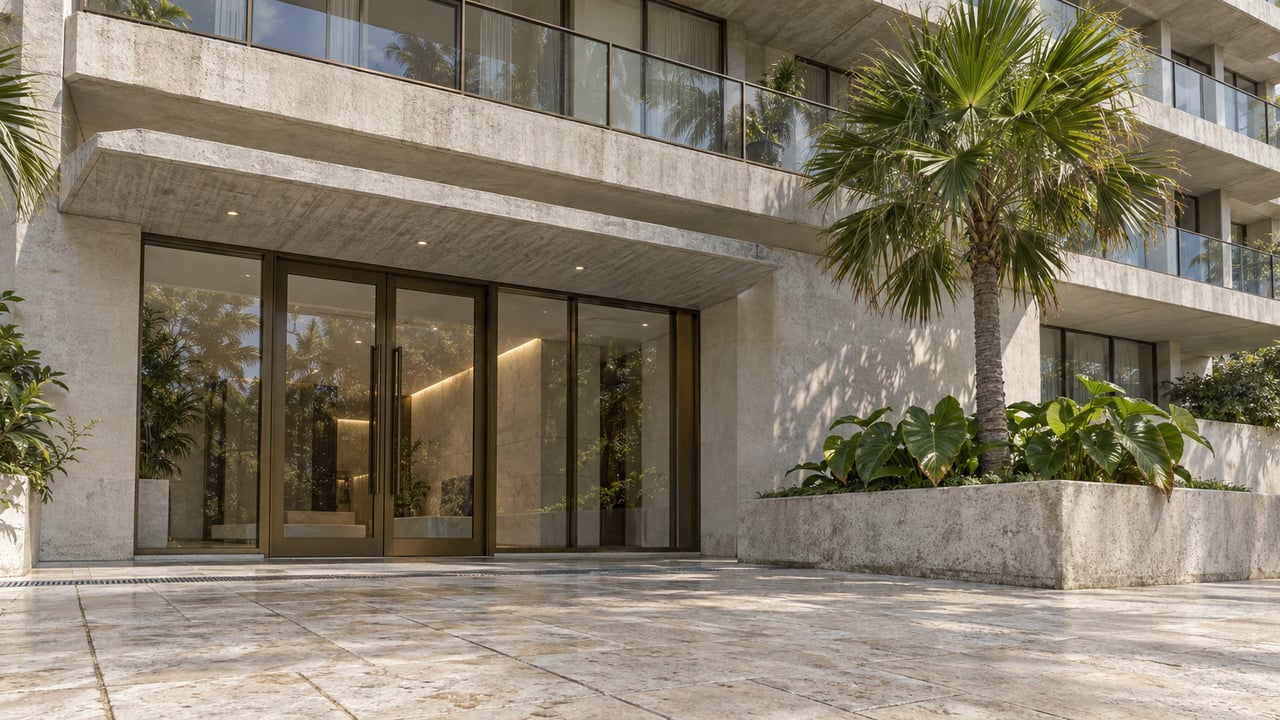
The real estate market in San Juan has been one of the most dynamic and closely watched sectors on the island over the past several years. As demand continues to evolve, fueled by economic incentives, population shifts, and broader shifts in housing preferences, both buyers and investors are trying to understand what lies ahead in 2026. Below, we explore the key trends shaping San Juan’s real estate landscape and offer a balanced outlook on the opportunities and challenges expected in the year ahead.
Current Market Landscape
San Juan’s property market has experienced notable growth, particularly from 2023 through 2025. According to recent data, home values within the city remain significantly higher than many other parts of the island, with median home prices in the metro area approaching seven figures in late 2025. Condado, one of San Juan’s premier beachfront neighborhoods, has median listing values near $1.8 million, reflecting sustained interest in luxury coastal living.
Several broader factors have contributed to this strength. For one, Puerto Rico’s housing market has rebounded robustly after the setbacks of hurricanes and economic downturns earlier in the decade. Market indices show steady annual and quarterly price gains, driven by strong buyer interest and limited supply in prime areas.
Drivers of Demand
A few core forces are shaping buyer behavior in San Juan:
1. Tax Incentives and Relocation Programs
Puerto Rico’s Act 60 tax incentives continue to be a powerful lure for mainland U.S. buyers and international investors. By offering favorable treatment on income and capital gains taxes for qualifying individuals and businesses, this policy has helped position San Juan as an attractive relocation choice for high-income earners, retirees, and remote professionals seeking a more tax-efficient home base.
2. Strong Tourism and Short-Term Rental Returns
San Juan’s appeal as a travel destination — with historic districts, vibrant nightlife, and cultural attractions — fuels demand for short-term rentals. In neighborhoods like Condado, Miramar, and Isla Verde, rental properties have delivered attractive gross yields in recent years, supported by robust tourism flows.
3. Luxury and Waterfront Appeal
Properties with ocean views, direct beach access, or upscale amenities remain highly coveted. Developers are responding with premium projects that emphasize modern design, smart-home features, and wellness-oriented spaces targeted at affluent buyers.
Affordability and Inventory Pressures
Despite sustained demand, challenges persist for local and middle-income buyers. Inventory in highly desirable neighborhoods remains limited, which has helped keep pricing elevated. In 2025, the average number of days homes spent on the market in San Juan hovered around the mid-50s an indication of brisk absorption where listings are available.
At the same time, rapid price increases have outpaced typical wage growth for many residents, exacerbating affordability challenges. While San Juan may still be more affordable than some major U.S. cities in absolute terms, the market has grown less accessible for first-time buyers or those without significant capital.
Housing and Rental Outlook for 2026
Analysts project a continued rise in home prices through 2026, although growth is expected to be more moderate compared with the more accelerated gains seen in 2024 and 2025. As demand continues to be robust but supply slowly increases with more active listings coming to market price appreciation may reflect stability over dramatic spikes.
Realtor.com data suggests that the broader Puerto Rico market is already seeing a substantial inventory increase, with tens of thousands of active listings across the island and modest moves in median prices on a month-to-month basis. For San Juan, median home prices near $995,000 still indicate strong valuation levels relative to most U.S. metros, even if year-over-year growth moderates.
In the rental sector, there’s evidence of softening median rents compared with the previous year, which could create both opportunities and challenges for investors. While high rental prices in urban cores like San Juan remain a draw for income-producing properties, broader rental cost declines point to shifting dynamics and perhaps a more competitive landscape for landlords.
Investment Considerations
For investors weighing San Juan real estate in 2026, several trends are noteworthy:
Short-Term Versus Long-Term Rentals
Short-term rental markets will likely retain appeal, especially in tourism hotspots, but local regulations, neighborhood attitudes, and seasonal demand may temper some expected returns. Meanwhile, long-term rentals tied to workforce housing are expected to remain in demand as San Juan’s economy diversifies.
Entry-Level and Mid-Market Opportunities
While prime luxury segments continue to command attention, there is a growing focus on more affordable product types. As active listings expand, buyers with modest budgets or investor strategies targeting multi-family or transitional properties will find more options than in recent years.
Technology and Sustainability Trends
Beyond price and demand curves, San Juan’s real estate scene is embracing evolving buyer priorities. Properties with energy-efficient features, hurricane-resilient design, and flexible working spaces are gaining traction, reflecting broader shifts in how people live and work.
Challenges Ahead
Even with an optimistic growth forecast, there are potential headwinds. Rising construction costs, global financing conditions, and lingering affordability gaps could temper how quickly new developments come online or how accessible ownership becomes for a broader swath of residents. Moreover, public housing initiatives and social housing pressures including ongoing inspections and reform discussions highlight the need for balanced policy approaches that serve both investment and residency goals.
Final Thoughts
The real estate market in San Juan heading into 2026 remains a compelling mix of opportunity and complexity. Buyers and investors alike are navigating a market shaped by strong tax incentives, high tourism demand, and persistent inventory limitations. While strong price appreciation is likely to continue, the pace of growth is expected to moderate as supply slowly improves and market dynamics stabilize.
For local residents and potential newcomers, understanding these trends will be crucial in making informed decisions whether for primary homes, second residences, or investment portfolios. By balancing economic indicators, neighborhood characteristics, and broader housing trends, stakeholders can position themselves for success in this multifaceted market.