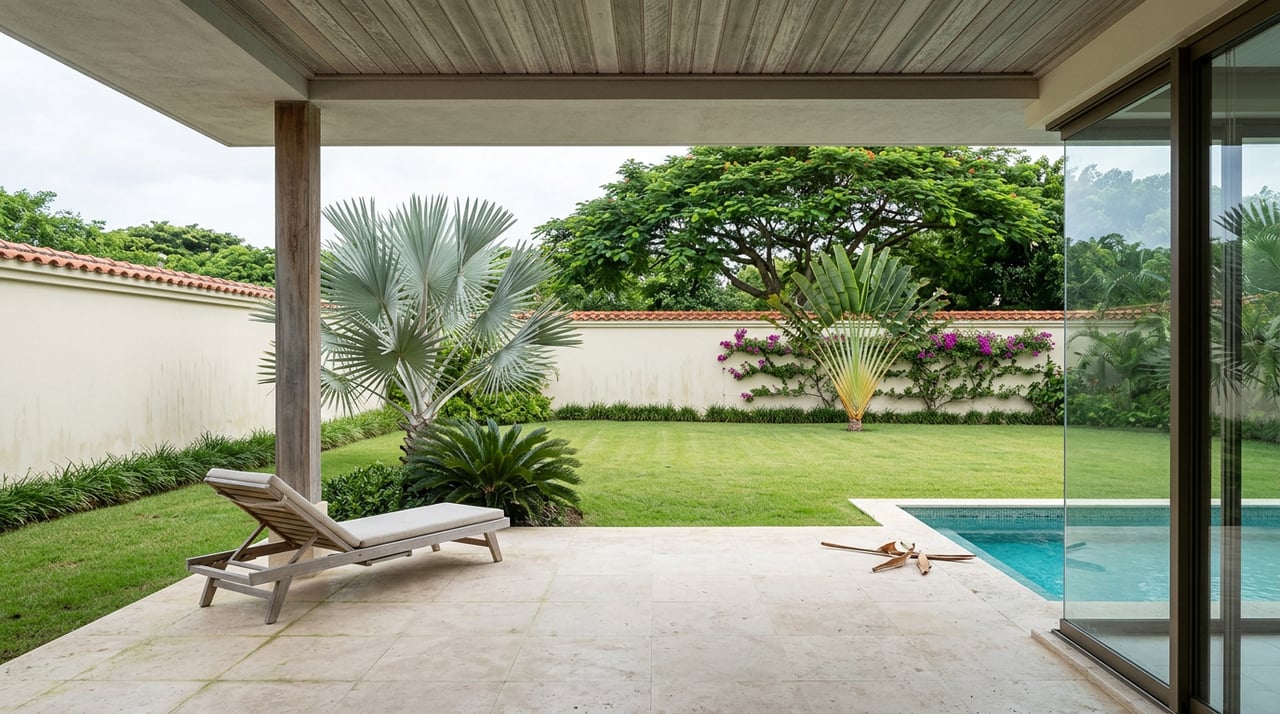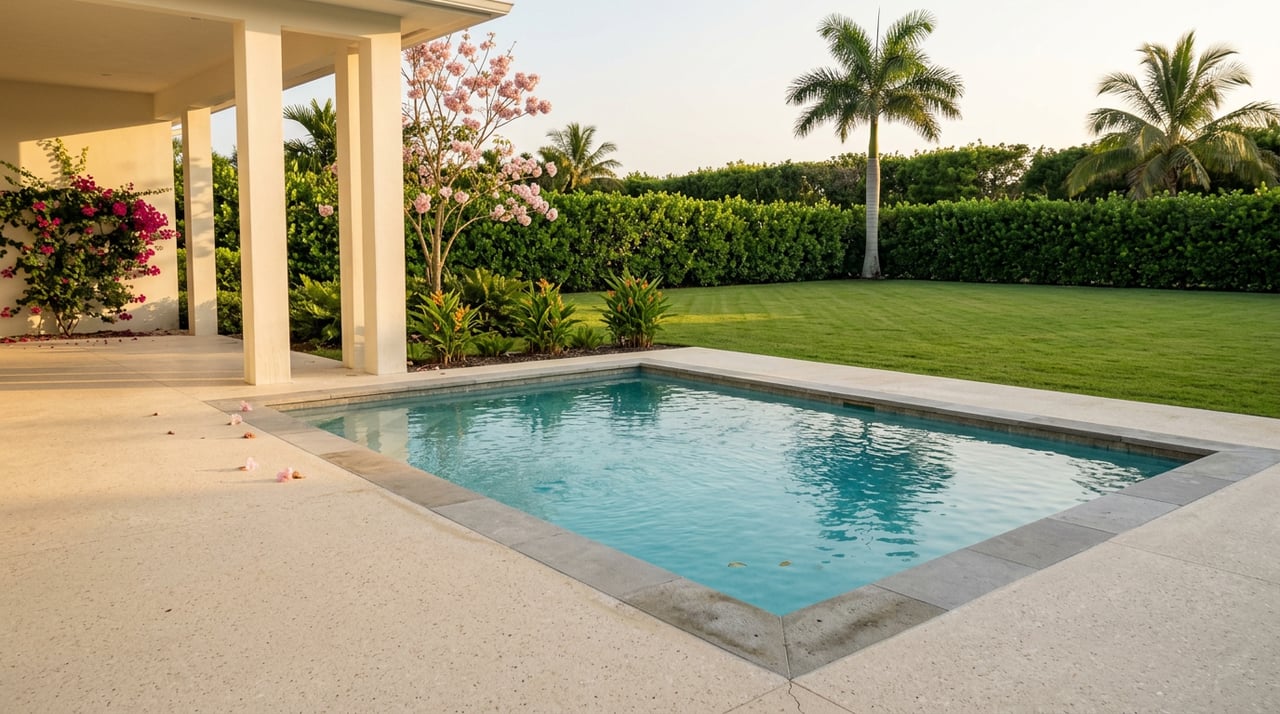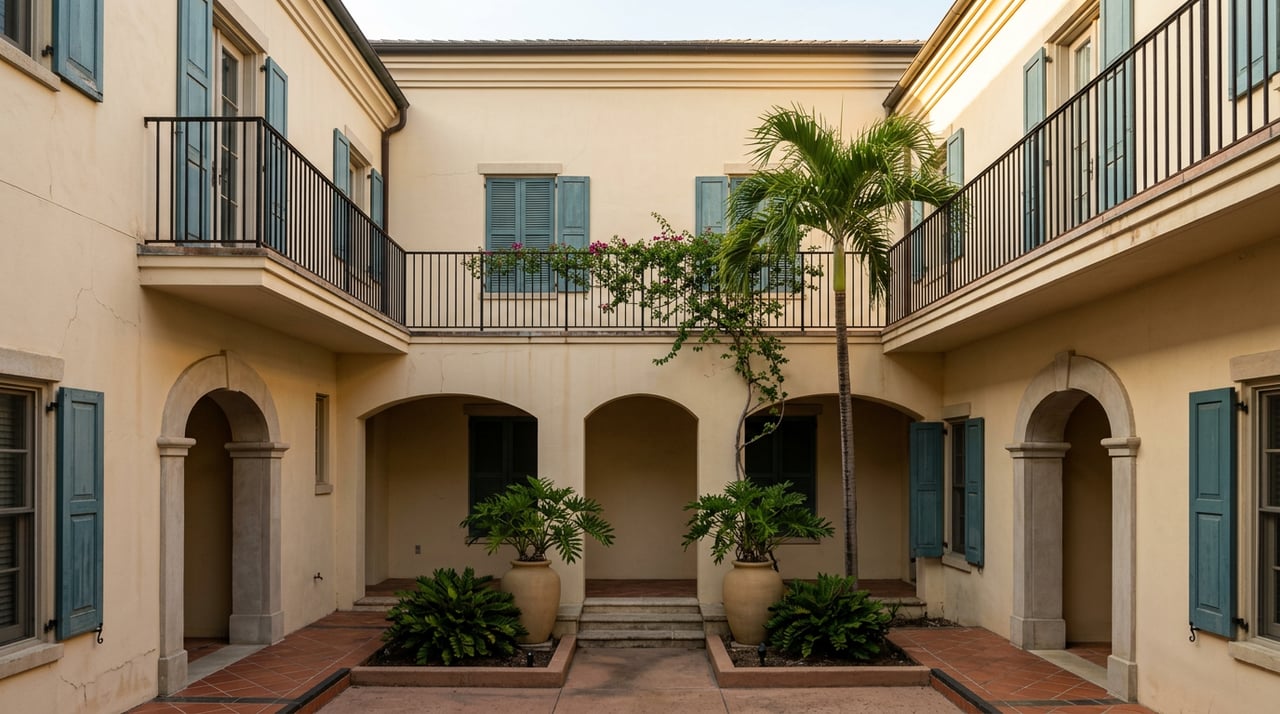
Puerto Rico’s luxury real estate market has grown significantly in recent years, attracting mainland U.S. buyers, investors, and high-net-worth individuals drawn to the island’s lifestyle, climate, and tax incentives under Act 60. Areas such as Dorado, San Juan, and Rincón have seen strong interest in premium homes featuring ocean views, gated communities, and resort-style amenities. Yet even in desirable markets, some high-end properties remain listed for months or even years longer than expected. Understanding why this happens is essential for sellers who want to position their properties effectively and for buyers trying to interpret extended market time.
One of the most common reasons premium homes sit on the market is overpricing. Luxury homeowners often invest heavily in custom finishes, architectural details, imported materials, and high-end appliances. While these upgrades add value, sellers sometimes price based on emotional attachment or total investment rather than current market data. In a niche market like Puerto Rico’s luxury segment, buyers are highly informed and often compare multiple properties before making decisions. If a home is priced noticeably above comparable listings, it may generate initial curiosity but fail to produce serious offers. As time passes, the listing can develop a stigma, leading buyers to wonder if there are hidden issues.
Another significant factor is the limited buyer pool. By definition, luxury homes appeal to a small segment of the market. Puerto Rico has a smaller population compared to major mainland metropolitan areas, and the number of local buyers capable of purchasing multi-million-dollar properties is limited. Many luxury transactions depend on out-of-state or international buyers. These buyers may be selective, patient, and evaluating opportunities in multiple locations beyond Puerto Rico. When demand relies heavily on a narrow demographic, properties can take longer to match with the right purchaser.
Location within the island also plays a decisive role. Even in a tropical destination, micro-location matters. Homes in established luxury communities such as Dorado Beach or Condado often attract stronger and faster interest than similar properties in less recognized or less accessible neighborhoods. Proximity to private schools, marinas, golf courses, fine dining, and medical facilities can influence buyer decisions. Additionally, infrastructure considerations such as road access, flood zones, and elevation—carry particular weight in Puerto Rico, where weather events are part of the regional reality. A premium home in a less convenient or less prestigious location may require more time to find a buyer willing to prioritize its features over its setting.
Economic and political perceptions can also affect luxury sales velocity. Puerto Rico has undergone fiscal restructuring and recovery efforts following natural disasters and economic downturns. While many investors see opportunity in the island’s growth, others remain cautious. Luxury buyers often have the flexibility to invest in multiple global markets. If broader economic uncertainty exists whether locally or internationally they may delay large purchases. Even when the property itself is exceptional, macroeconomic hesitation can slow decision-making.
Property condition and presentation are particularly critical in the luxury segment. High-end buyers expect turnkey perfection. Outdated kitchens, deferred maintenance, visible wear, or unfinished projects can significantly deter interest. Unlike mid-range buyers who may be open to renovations, luxury purchasers often seek convenience and immediate enjoyment. Professional staging, landscaping, high-quality photography, and compelling listing descriptions are not optional at this level they are essential. A poorly presented property can sit unnoticed even if it has excellent structural value.
Marketing strategy is another frequent cause of prolonged listings. Simply placing a property on the Multiple Listing Service is rarely sufficient for a premium home. Luxury real estate marketing often requires targeted outreach to qualified buyers, international exposure, digital campaigns, and strong brokerage networks. Storytelling matters. Buyers are not just purchasing square footage; they are buying a lifestyle. Listings that fail to communicate the unique lifestyle benefits of living in Puerto Rico such as beachfront sunsets, privacy, tax advantages, and resort-style amenities may struggle to stand out in a competitive field.
Timing within the market cycle can further influence how long a property remains unsold. Luxury markets tend to be more cyclical than entry-level segments. Seasonal patterns affect Puerto Rico in particular, as winter months often bring increased interest from mainland buyers escaping colder climates. Listing during slower periods without a strategic pricing or promotional plan can extend days on market. Additionally, interest rate fluctuations and global financial conditions disproportionately impact high-value transactions, as many luxury buyers are investors sensitive to capital allocation decisions.
High ownership and maintenance costs also contribute to buyer hesitation. Premium homes frequently include expansive landscaping, pools, generators, security systems, and smart-home technologies. In Puerto Rico, where backup power systems and water cisterns are common, maintenance requirements can be substantial. Buyers often conduct detailed evaluations of ongoing costs, including homeowners association fees, property taxes, insurance, and hurricane-related coverage. If projected expenses seem high relative to perceived value, negotiations may stall or buyers may walk away altogether.
Insurance considerations deserve special mention. In coastal areas, insurance premiums can be significantly higher due to hurricane exposure. Buyers may require time to secure quotes and assess risk, adding complexity and potential delays to transactions. If a property has a history of storm damage or unresolved claims, this can further extend the sales process.
Another overlooked reason luxury homes linger is overly personalized design. Custom architecture can be stunning but polarizing. Highly specific design choices bold color palettes, unconventional layouts, or extremely niche amenities—may limit broad appeal. While uniqueness can be a selling point, excessive personalization sometimes reduces the number of buyers who can envision themselves living in the space. Neutral staging and minor design adjustments can sometimes make a dramatic difference in perceived versatility.
Financing complexity can also slow high-end sales. Although many luxury transactions are cash purchases, some involve jumbo loans or cross-border financing arrangements. These deals can require extended underwriting periods and additional documentation. International buyers may face additional legal and tax planning steps before completing a purchase, lengthening timelines compared to typical residential sales.
Finally, seller inflexibility can contribute to extended market time. Luxury buyers expect negotiation. If a seller is unwilling to consider reasonable offers, concessions, or inspection-related adjustments, transactions may collapse. In high-value markets, even small percentage differences represent significant sums of money. A rigid approach can discourage serious buyers who have other options available.
In conclusion, premium homes in Puerto Rico typically sit on the market longer not because demand is absent, but because the luxury segment operates under different dynamics than the broader housing market. Pricing precision, strategic marketing, presentation quality, and realistic expectations are critical. The buyer pool is smaller, more selective, and often international. Economic perceptions, insurance considerations, maintenance costs, and location nuances all play amplified roles. Sellers who understand these factors and adapt accordingly significantly increase their chances of achieving a successful and timely sale in Puerto Rico’s competitive luxury real estate landscape.