Living near Paseo de la Princesa in Old San Juan is unlike living anywhere else in Puerto Rico—or even the Caribbean. It is where centuries of history meet ocean breezes, cobblestone streets, art vendors, and daily sunsets over the bay. For residents, this iconic promenade is not just a tourist attraction; it becomes part of everyday life.
If you’ve ever wondered what it’s really like to call this area home, here’s a detailed look at the lifestyle, advantages, challenges, and unique rhythm of living near Paseo de la Princesa.
A Front-Row Seat to History
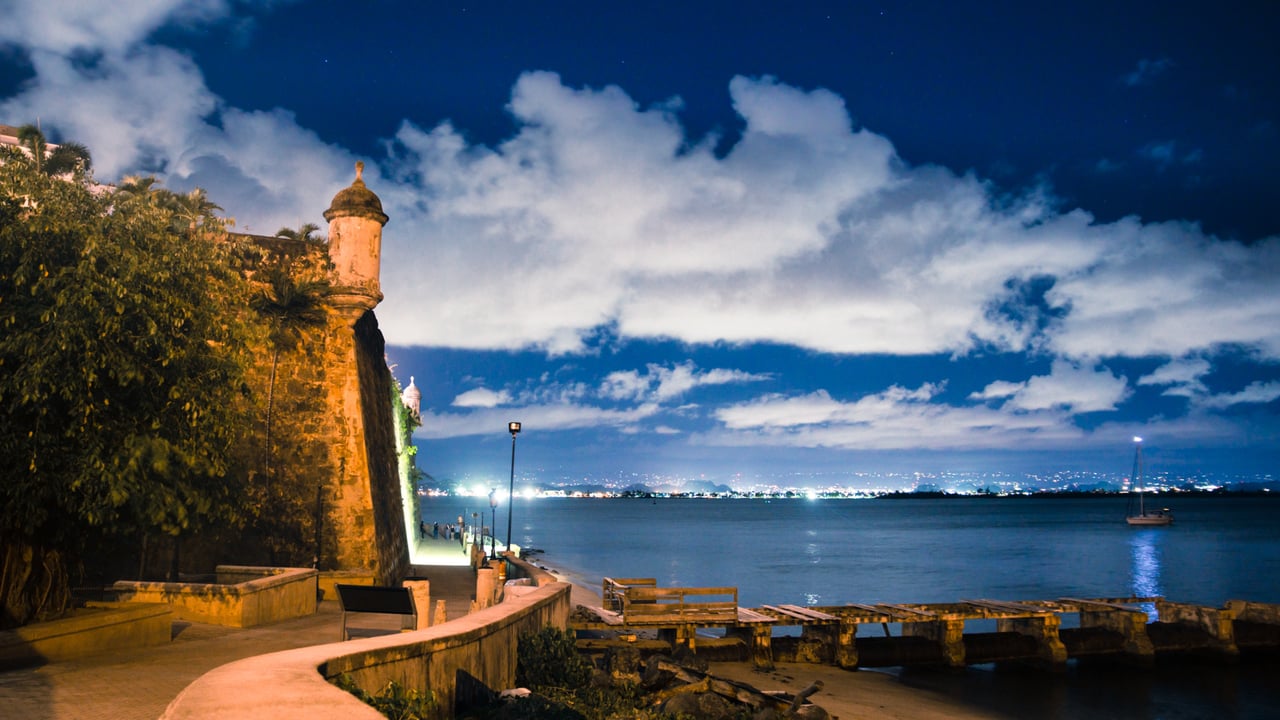
Paseo de la Princesa runs along the southern edge of Old San Juan, following the original city walls. The walkway connects the historic city gate, Puerta de San Juan, to the scenic Raíces Fountain at the bayfront.
Living nearby means stepping outside your door into a setting that feels like a living museum. The blue cobblestones, pastel colonial buildings, and centuries-old fortifications aren’t weekend attractions—they are part of your daily commute, your morning jog route, and your evening stroll.
There’s something grounding about being surrounded by architecture that has stood since the Spanish colonial era. It creates a deep sense of place and continuity that modern developments simply can’t replicate.
Morning Life: Calm Before the Crowds
One of the greatest perks of living near Paseo de la Princesa is experiencing the quiet hours before visitors arrive. Early mornings are peaceful. Locals walk their dogs, jog along the waterfront, or sip coffee on balconies overlooking the bay.
The air feels fresher, the light softer. Cruise ships may be docked in the distance, but the promenade itself is calm. Residents quickly learn that this is the best time to run errands, exercise, or simply enjoy the scenery.
You get the beauty without the bustle.
Afternoons and Evenings: Energy and Activity
By midday, the dynamic shifts. Tourists begin to fill the paseo, especially during peak travel seasons. Street vendors set up artisan stands. Musicians perform along the walkway. Horse-drawn carriages occasionally pass by.
For residents, this liveliness can be either energizing or overwhelming, depending on personality and lifestyle.
Evenings, however, are where the magic happens. Sunsets along the bay are spectacular. Locals and visitors alike gather near the waterfront to watch the sky turn shades of orange, pink, and purple over San Juan Bay. Living here means you don’t have to plan for it—you simply walk outside.
The nighttime atmosphere is romantic and vibrant. Restaurants in Old San Juan fill with diners, and live music drifts through open windows.
Walkability and Convenience
Living near Paseo de la Princesa means living in one of the most walkable areas in Puerto Rico. Grocery stores, pharmacies, cafés, galleries, and restaurants are within walking distance.
Residents frequently dine at long-standing establishments like Café Puerto Rico or enjoy waterfront dining at Princesa Gastrobar without ever needing a car.
That said, parking can be limited. Many residents either rent designated spaces or rely heavily on walking and rideshare services. If you’re accustomed to suburban convenience, adjusting to limited parking may take time.
Living Within Historic Architecture
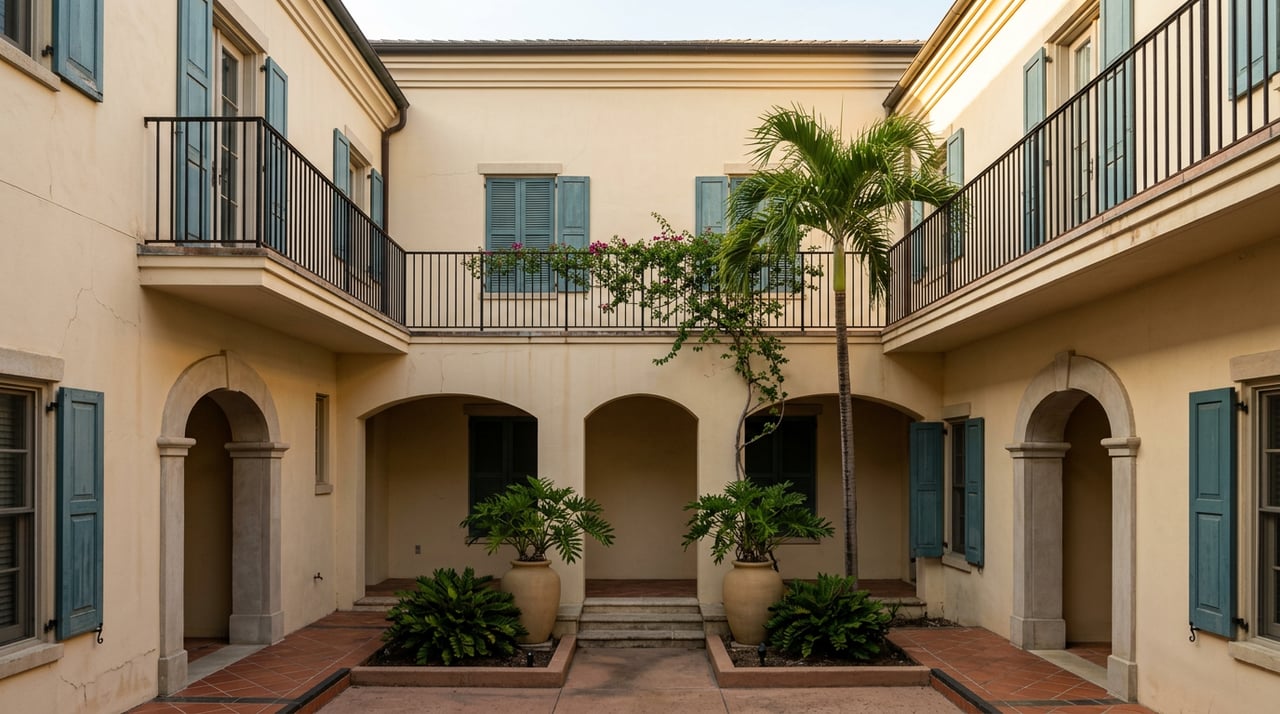
Most residences near Paseo de la Princesa are located within restored colonial buildings. Expect features like:
-
High ceilings
-
Thick masonry walls
-
Interior courtyards
-
Wooden doors and shutters
-
Narrow staircases
These architectural elements add charm but also come with maintenance considerations. Older buildings may require specialized upkeep to preserve historic integrity.
Humidity control is especially important. Thick walls help with insulation, but tropical moisture can still affect interiors. Dehumidifiers and consistent ventilation are essential for long-term comfort.
Noise and Activity Levels
Because the area is a major attraction, noise is part of the environment. Street performers, festivals, parades, and cruise ship days bring energy—and sound.
Special events, particularly during holidays or festivals like the San Sebastián Street Festival, transform Old San Juan into a large-scale celebration. For some residents, this is a highlight of the year. For others, it requires planning, especially if working from home.
Living here means embracing a certain level of activity. It’s vibrant city living, not secluded coastal quiet.
Safety and Community
Old San Juan maintains a visible police presence due to its tourism importance. The area is generally considered safe, especially compared to many urban districts in larger cities.
Beyond security, there’s a unique sense of community among residents. Because the neighborhood is compact and walkable, neighbors recognize one another. Shop owners know regular customers. There’s an informal familiarity that develops over time.
Despite the tourist traffic, there’s a strong local identity that residents take pride in preserving.
Real Estate Dynamics
Properties near Paseo de la Princesa are highly desirable. Their value is influenced by:
-
Proximity to waterfront views
-
Historical architectural details
-
Balcony access overlooking cobblestone streets
-
Renovation quality
Many units serve as second homes or short-term rentals, though regulations have evolved over time. Prospective buyers should carefully research current rental laws and HOA restrictions before investing.
The premium price reflects both location and limited supply. There are only so many residences within the historic district.
Climate and Coastal Considerations
Being adjacent to San Juan Bay means constant exposure to sea air. Salt can affect metal fixtures, balconies, and air conditioning units. Regular maintenance is essential.
Hurricane preparedness is also part of life in Puerto Rico. Residents typically install storm shutters or reinforced windows. Historic preservation rules may influence what exterior modifications are allowed.
However, Old San Juan’s elevated and fortified layout has historically provided resilience against flooding compared to lower coastal areas.
Cultural Immersion
Living near Paseo de la Princesa means constant exposure to art, music, and culture. On weekends, artisans display handcrafted jewelry and paintings along the paseo. Cultural events frequently take place in nearby plazas.
Just steps away are historic landmarks such as Castillo San Felipe del Morro and Castillo San Cristóbal. While these sites attract tourists, residents often revisit them for quiet reflection or scenic walks along the cliffs.
Living here doesn’t feel static—it feels alive with storytelling and tradition.
Daily Practicalities
While romantic in many ways, daily life does require adjustments:
-
Deliveries may need coordination due to narrow streets.
-
Parking is limited and often metered.
-
Grocery options are smaller compared to suburban supermarkets.
-
Elevators are uncommon in historic walk-ups.
For some, these are inconveniences. For others, they are part of the charm and trade-off for location.
Who Thrives Here?
Living near Paseo de la Princesa is ideal for:
-
History enthusiasts
-
Artists and creatives
-
Remote professionals who enjoy urban vibrancy
-
Retirees seeking walkable culture
-
Buyers wanting a unique second home
It may be less ideal for families seeking large yards, multiple parking spaces, or ultra-modern amenities.
The Emotional Experience
Perhaps the most defining aspect of living here isn’t logistical—it’s emotional.
There’s a distinct feeling when you step outside at night and the centuries-old walls are illuminated. The sound of coquí frogs mixes with distant music. The sea breeze carries both salt and history.
It feels intimate and expansive at the same time.
Residents often describe a sense of pride in preserving and participating in one of the oldest settlements in the Americas. The blend of Spanish colonial heritage, Caribbean rhythm, and contemporary life creates a layered identity that is difficult to replicate elsewhere.
Final Thoughts
Living near Paseo de la Princesa offers more than scenic views—it offers immersion. It’s a lifestyle shaped by history, culture, ocean air, and constant movement.
It requires flexibility, appreciation for historic preservation, and comfort with activity. But for those who value character over convenience and ambiance over uniformity, it can be deeply rewarding.
In the end, living here means accepting that your neighborhood is also a destination. And rather than feeling disrupted by that reality, most residents learn to see it as a privilege—one that places them at the heart of Puerto Rico’s living history.