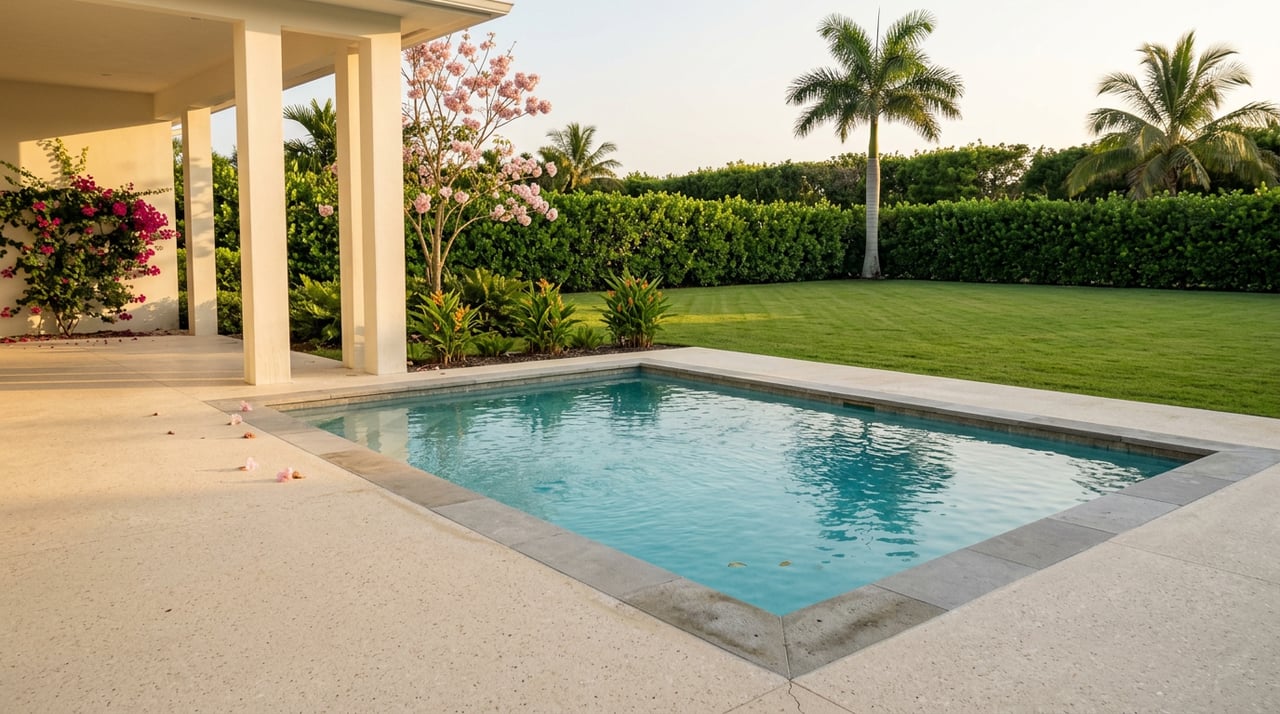
Condado is one of San Juan’s most recognizable neighborhoods, known for its beachfront setting, vibrant urban lifestyle, and striking mix of architectural styles. Over the decades, Condado has evolved from a quiet residential enclave into a dense, cosmopolitan district, and its buildings reflect that layered history. From early 20th-century elegance to modern high-rise living, Condado’s design styles tell the story of changing tastes, economic cycles, and urban priorities.
This guide explores the main building design styles found in Condado and how each contributes to the neighborhood’s unique character.
Early 20th-Century Residential Architecture
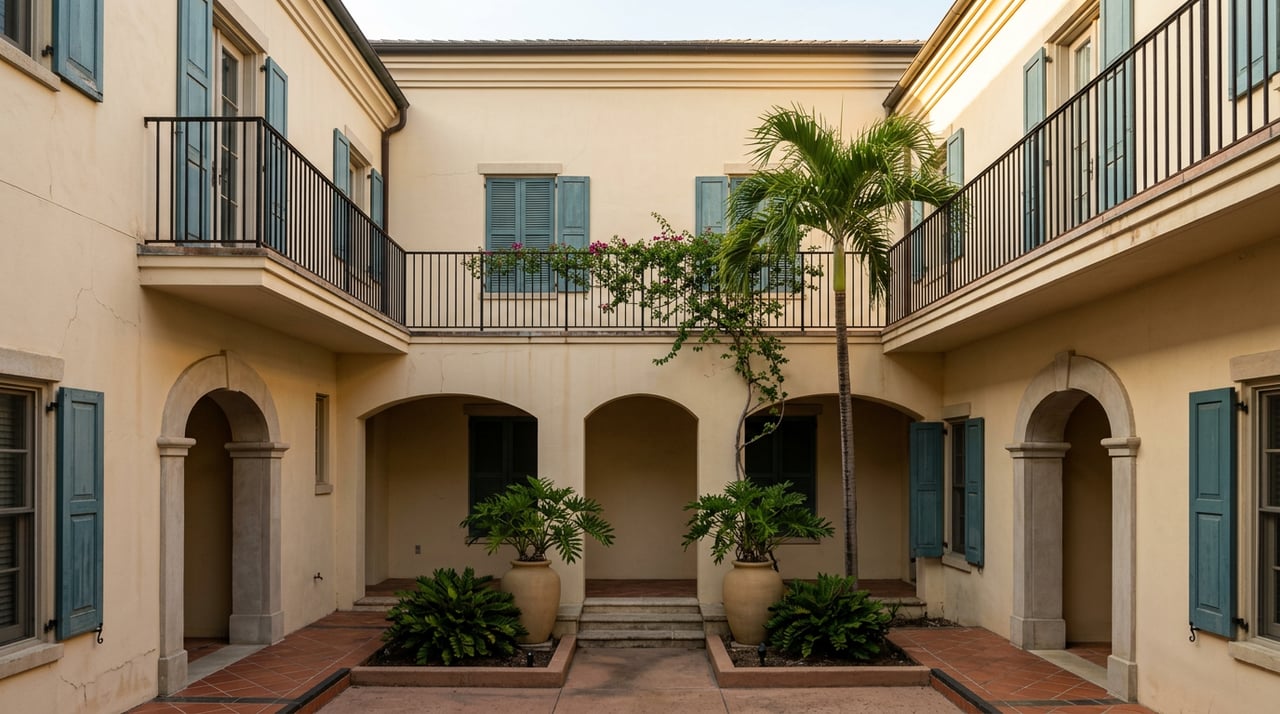
Condado’s architectural story begins in the early 1900s, when the area was developed as an upscale residential suburb. Many of the original homes were inspired by European and Caribbean influences, blending function with ornamentation.
These early residences often feature high ceilings, generous verandas, arched openings, and decorative details adapted to the tropical climate. While many of these homes have been replaced by larger developments, some remain, especially on quieter interior streets. When preserved or restored, they offer a glimpse into Condado’s origins as a refined residential district.
Art Deco and Streamline Moderne Influence
One of the most iconic design styles in Condado is Art Deco, which gained popularity in Puerto Rico during the 1930s and 1940s. Influenced by global design trends and adapted for the Caribbean environment, Art Deco buildings in Condado are characterized by clean lines, geometric forms, rounded corners, and minimal ornamentation.
Streamline Moderne, a related style, emphasizes horizontal lines, curved facades, and a sense of motion. Many mid-rise apartment buildings along Ashford Avenue and nearby streets reflect these aesthetics. These structures are especially valued for their architectural identity and historical significance, contributing to Condado’s timeless urban appeal.
Mid-Century Modern Design
As Condado developed further in the post-war years, mid-century modern architecture became prominent. Buildings from the 1950s through the 1970s prioritize function, natural light, and indoor-outdoor living.
Common features include open floor plans, large windows, balconies, and simple geometric forms. Concrete construction became more widespread during this period, reflecting both technological advances and the need for durability in a coastal environment.
Many of Condado’s residential towers and apartment complexes from this era remain highly desirable due to their solid construction, generous layouts, and emphasis on ventilation and views.
Tropical Modernism
Tropical modernism is a variation of modern design that responds specifically to climate and landscape, and Condado offers several examples of this approach. Buildings in this style emphasize cross-ventilation, shaded outdoor spaces, and integration with the surrounding environment.
Design elements often include brise-soleil screens, recessed balconies, overhangs, and materials suited for heat and humidity. Tropical modernist buildings balance urban density with livability, making them well suited for Condado’s beachfront and lagoon-adjacent settings.
Contemporary High-Rise Architecture
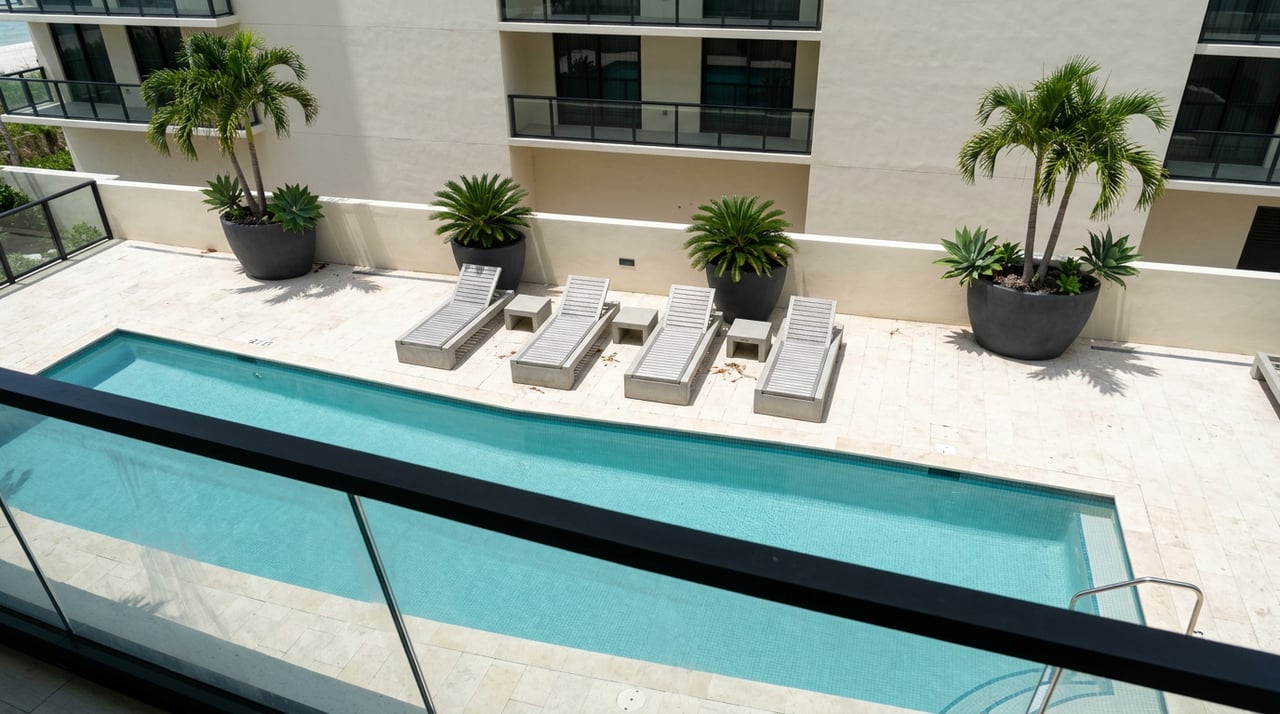
In recent decades, Condado has seen the rise of contemporary high-rise buildings, particularly along the oceanfront and major avenues. These structures emphasize vertical living, panoramic views, and modern amenities.
Contemporary designs often feature glass facades, sleek lines, and minimalist aesthetics. Interiors focus on open layouts, modern finishes, and technology integration. While these buildings contrast sharply with older styles, they reflect Condado’s role as a modern urban hub.
High-rise living has reshaped Condado’s skyline, offering residents direct access to beaches, hotels, dining, and entertainment within a compact area.
Mixed-Use and Adaptive Reuse Projects
Another important design trend in Condado is adaptive reuse and mixed-use development. Some older buildings have been repurposed into residential, commercial, or hospitality spaces while preserving key architectural elements.
These projects often blend historic facades with updated interiors, allowing Condado to evolve without losing its architectural identity. Mixed-use buildings contribute to the neighborhood’s walkability and support a lifestyle where residential, professional, and social spaces coexist.
Interior Design Trends in Condado Buildings
Interior design across Condado reflects the diversity of its building styles. Older apartments may feature original terrazzo floors, wood detailing, and spacious layouts, while newer developments prioritize clean lines, neutral palettes, and high-end finishes.
Regardless of era, many interiors emphasize natural light, airflow, and views of the ocean or lagoon. Balconies and terraces are common, reinforcing the connection between indoor and outdoor living.
How Design Styles Influence Lifestyle and Value
Building design plays a significant role in shaping the Condado lifestyle. Art Deco and mid-century buildings often attract residents who value character and history, while contemporary high-rises appeal to those seeking convenience and modern amenities.
From a real estate perspective, well-maintained buildings with distinctive architectural identity tend to retain value. Buyers increasingly appreciate design authenticity, solid construction, and layouts that prioritize livability over trend-driven features.
Understanding design styles also helps residents choose buildings that align with their lifestyle preferences, whether that means historic charm, modern efficiency, or a blend of both.
The Future of Design in Condado
As Condado continues to evolve, new development faces the challenge of balancing density with design quality. Preservation efforts, zoning regulations, and community advocacy play a role in shaping how the neighborhood grows.
Future projects are likely to incorporate sustainability, resilience, and climate-responsive design while drawing inspiration from Condado’s architectural past. The most successful developments will respect the neighborhood’s layered history while addressing modern urban needs.
Conclusion
Condado’s building design styles reflect over a century of architectural evolution, influenced by global trends, local climate, and changing lifestyles. From early residential elegance and Art Deco landmarks to mid-century modern towers and contemporary high-rises, each style contributes to the neighborhood’s rich visual and cultural identity.
For residents, buyers, and visitors alike, understanding these design styles deepens appreciation for Condado as more than just a beachfront destination. It is a living architectural landscape where history, modernity, and urban life intersect in one of San Juan’s most dynamic neighborhoods.