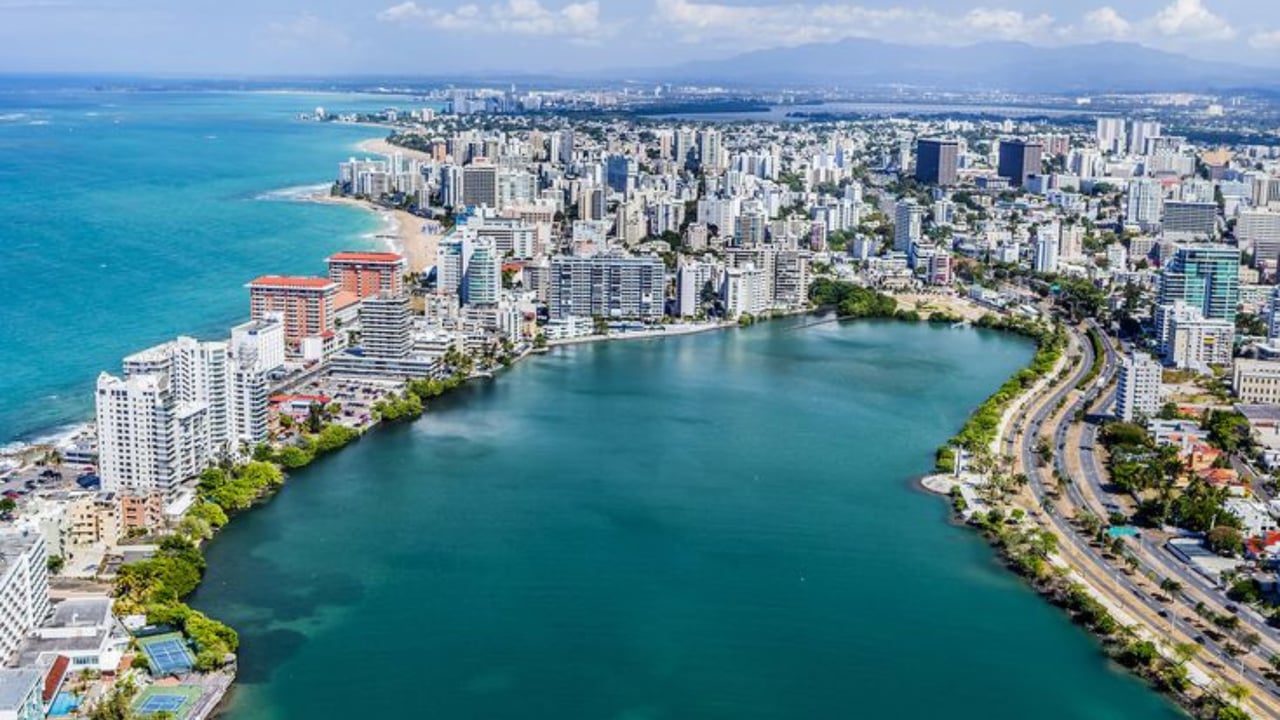
San Juan is a city of contrasts, where historic architecture meets modern development and ocean views blend with a vibrant urban lifestyle. In recent years, high-rise condominiums and apartment towers have become increasingly popular, particularly in neighborhoods such as Condado, Isla Verde, Miramar, and Hato Rey. For professionals, retirees, investors, and remote workers, vertical living offers a compelling alternative to traditional single-family homes.
However, high-rise living comes with both advantages and trade-offs. Before committing to this lifestyle, it’s worth carefully weighing the pros and cons.
The Pros of High-Rise Living in San Juan
One of the most appealing advantages is the view. Upper-floor units often provide sweeping panoramas of the Atlantic Ocean, the Condado Lagoon, or the city skyline. These views are not just aesthetically pleasing—they can significantly enhance daily living. Large windows and elevated perspectives typically bring in abundant natural light and refreshing ocean breezes.
Location is another major benefit. High-rise buildings are often situated in walkable, centrally located areas close to beaches, restaurants, supermarkets, pharmacies, entertainment venues, and business districts. This proximity can reduce commute times and allow residents to enjoy a more convenient and spontaneous lifestyle. For many, being able to walk to dinner or the beach is a defining feature of urban living in San Juan.
Security is also a strong selling point. Many high-rise buildings offer controlled access, security personnel, surveillance systems, and concierge services. For residents who travel frequently or own a second home, this added layer of security provides peace of mind. Compared to maintaining a standalone property, high-rise living can feel safer and more manageable.
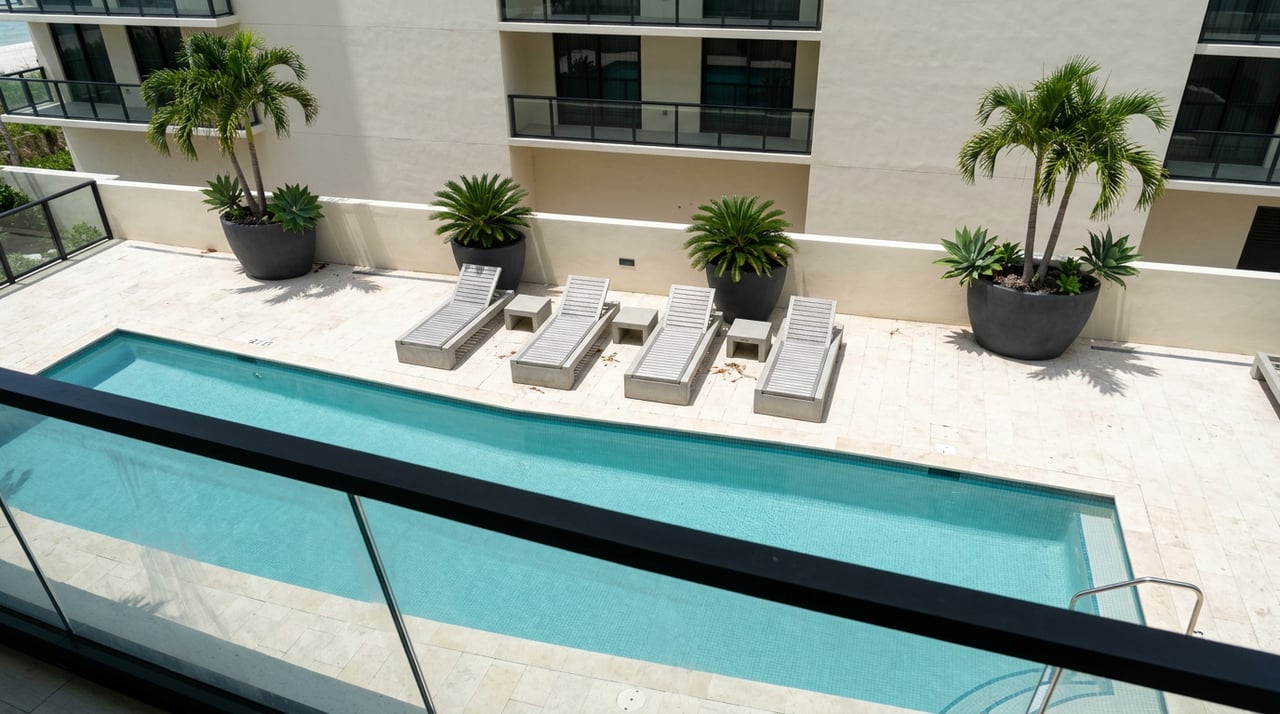
Modern amenities further enhance the appeal. Depending on the building, residents may have access to fitness centers, swimming pools, rooftop terraces, generators, water cisterns, covered parking, and community gathering spaces. In a tropical climate where storms and infrastructure disruptions can occur, features like backup power and water systems are especially valuable.
Another important advantage is reduced exterior maintenance. Landscaping, roofing, structural repairs, and common area upkeep are typically handled by a homeowners’ association (HOA). This arrangement allows residents to adopt a “lock-and-leave” lifestyle without worrying about yard work, exterior painting, or storm cleanup. For busy professionals or part-time residents, this convenience can be decisive.
Finally, high-rise properties in prime areas often maintain strong resale and rental demand. Units in desirable neighborhoods tend to attract both long-term tenants and buyers, making them appealing not only as homes but also as investments.
The Cons of High-Rise Living in San Juan
Despite the many benefits, there are notable drawbacks to consider. One of the most significant is the cost of HOA fees. Monthly dues can be substantial, particularly in buildings with extensive amenities and full-time staff. These fees cover maintenance, insurance, utilities for common areas, and reserve funds but they represent a recurring expense that can increase over time.
Residents are also dependent on shared infrastructure. Elevators, water pumps, generators, and other building systems are communal. When these systems require maintenance or experience outages, daily routines can be disrupted. For those living on higher floors, elevator downtime can be more than a minor inconvenience.
Another potential downside is limited control over building decisions. Policies regarding renovations, rentals, pets, and common areas are typically governed by an HOA board. While collective management can be efficient, it may also lead to disagreements or special assessments for major repairs. Owners must be comfortable with shared governance and financial obligations beyond their individual unit.
Privacy and noise can also be concerns. High-rise living means sharing walls, ceilings, hallways, and amenities with neighbors. While many modern buildings are designed with soundproofing in mind, some level of noise is inevitable. For individuals accustomed to detached homes with private outdoor space, this adjustment can be significant.
Parking and guest access may pose additional challenges. Although many buildings provide assigned parking spaces, guest parking can be limited or heavily regulated. In busy urban neighborhoods, hosting visitors may require advance planning or reliance on nearby public parking options.
Weather exposure is another factor unique to the region. San Juan’s tropical climate includes heavy rainfall, high humidity, and the possibility of hurricanes. While modern high-rise buildings are engineered to withstand severe weather, older structures may require costly updates or ongoing maintenance to meet current standards. Residents must also be prepared for potential storm-related disruptions.
Lifestyle Considerations
High-rise living in San Juan is particularly well suited to individuals who value convenience, security, and proximity to urban amenities. Professionals working in financial or business districts may appreciate the short commute. Retirees may enjoy the social atmosphere and reduced maintenance responsibilities. Remote workers may find inspiration in ocean views and easy access to cafés and recreational areas.
On the other hand, families with young children or those seeking expansive living space and private yards may find high-rise units limiting. Square footage can be smaller compared to suburban homes, and private outdoor space is often confined to balconies rather than full gardens.
Financial and Practical Factors
From a financial standpoint, prospective buyers should carefully evaluate more than just the purchase price. Reviewing the HOA’s financial health, reserve funds, insurance coverage, and history of special assessments is essential. A well-managed building with strong reserves can provide stability and protect property values, while underfunded associations may lead to unexpected costs.
Insurance considerations are also important. While the building’s master policy typically covers common areas and structural components, individual owners must secure coverage for their unit’s interior and personal belongings.
Final Thoughts
Living in a high-rise in San Juan offers a distinctive blend of urban sophistication and tropical beauty. The appeal of ocean views, walkable neighborhoods, modern amenities, and reduced maintenance responsibilities is undeniable. For many residents, these advantages create a comfortable and dynamic lifestyle that reflects the city’s energy.
Yet high-rise living also demands flexibility. Shared expenses, collective decision-making, infrastructure dependence, and space limitations are real considerations. The right choice ultimately depends on your priorities whether you value convenience and community amenities over privacy and autonomy.
By carefully assessing your lifestyle preferences, financial readiness, and long-term goals, you can determine whether high-rise living in San Juan aligns with the life you want to build.