Puerto Rico’s real estate market is often discussed as a single entity, but in reality it is a collection of very different micro markets. While some neighborhoods have seen rapid appreciation over the past decade, others have experienced slower growth or long periods of stagnation. Understanding why these differences exist is essential for buyers, investors, and residents who want to make informed decisions.
Neighborhood appreciation in Puerto Rico is shaped by a combination of location, infrastructure, economic forces, lifestyle appeal, and policy. Here’s a closer look at the key factors that cause some areas to rise in value faster than others.
Location and Proximity to Economic Centers
Location is the strongest driver of appreciation, and Puerto Rico is no exception. Neighborhoods near major employment hubs, tourism centers, and transportation corridors tend to grow faster.
Areas within or near San Juan—such as Condado, Miramar, Ocean Park, and parts of Santurce—benefit from proximity to government offices, financial institutions, hospitals, universities, and corporate headquarters. Easy access to jobs and services creates steady demand, which supports higher prices and faster appreciation.
By contrast, neighborhoods farther from economic centers may offer lower entry prices but often see slower value growth unless a new employer, infrastructure project, or development initiative changes the local economy.
Tourism and Short-Term Rental Demand
Tourism plays a major role in Puerto Rico’s real estate dynamics. Neighborhoods that attract visitors tend to appreciate faster due to investor demand for short-term rentals and vacation homes.
Coastal and historic areas such as Condado, Isla Verde, Old San Juan, and Rincon benefit from consistent tourist interest. Properties in these locations often generate rental income, which increases their perceived value and supports higher resale prices.
In contrast, neighborhoods with limited tourism appeal rely primarily on local demand. While these areas can still appreciate, they typically do so at a slower, more stable pace.
Infrastructure and Public Investment
Neighborhoods with strong infrastructure appreciate faster than those without it. Reliable utilities, well-maintained roads, drainage systems, public transportation access, and proximity to hospitals and schools all influence buyer confidence.
After hurricanes and earthquakes, areas with upgraded power grids, backup energy solutions, and flood mitigation systems became more attractive to buyers. Neighborhoods that invested early in resilience infrastructure often rebounded faster and gained value more quickly.
Public investment also matters. When governments improve roads, renovate public spaces, or invest in waterfront redevelopment, surrounding property values often rise.
Lifestyle Appeal and Perceived Quality of Life
Lifestyle-driven demand is a powerful appreciation engine. Buyers are willing to pay a premium for neighborhoods that offer walkability, beach access, dining, green spaces, and cultural attractions.
In Puerto Rico, neighborhoods that blend urban convenience with lifestyle amenities tend to outperform others. For example, areas where residents can walk to restaurants, cafés, beaches, or entertainment consistently attract higher-income buyers and remote workers.
Neighborhoods lacking lifestyle appeal may still serve essential housing needs, but they often experience slower appreciation because demand is more price-sensitive.
Supply Constraints and Zoning
Limited supply accelerates appreciation. Neighborhoods with strict zoning laws, historic preservation rules, or geographic constraints often have fewer new developments, which restricts inventory.
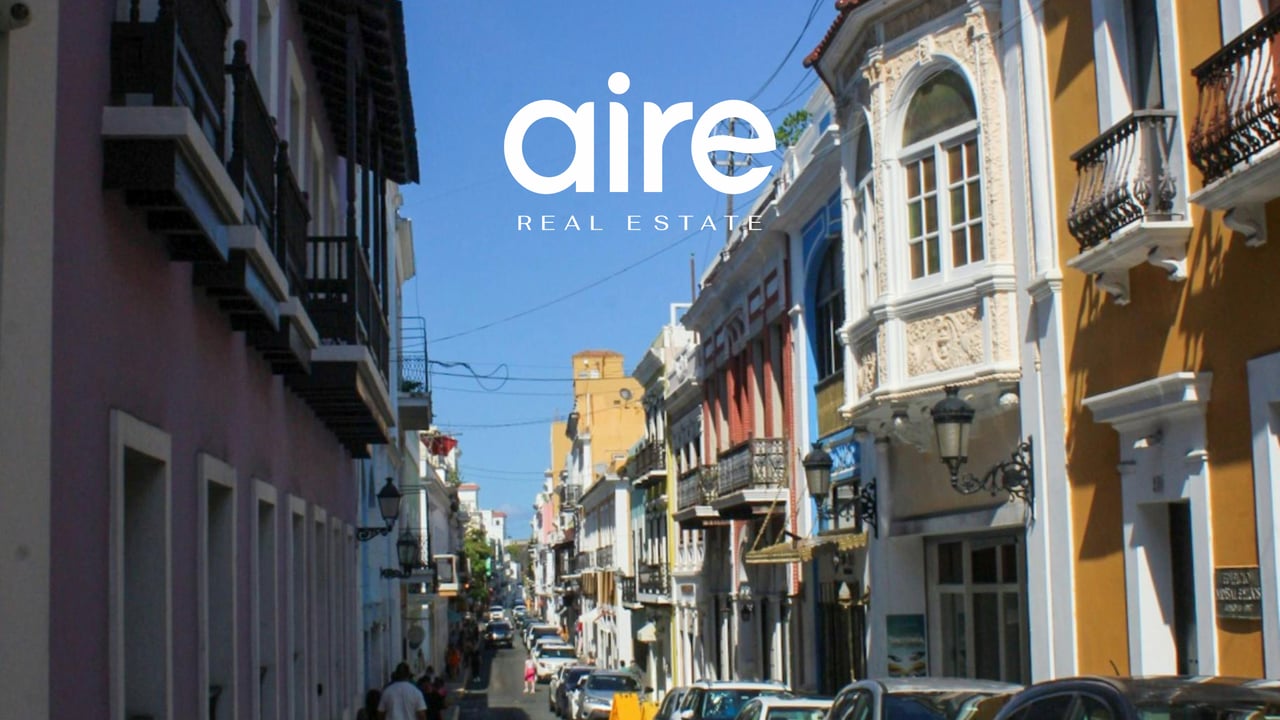
Old San Juan is a prime example: its historic status limits new construction, so demand pushes prices upward when properties become available. Coastal neighborhoods with limited land availability also experience similar pressure.
On the other hand, neighborhoods with ample land for new development may see slower appreciation if supply keeps pace with or exceeds demand.
Influence of Act 60 and High-Income Migration
Tax incentives under Puerto Rico’s Act 60 have reshaped certain neighborhoods more than others. High-income individuals relocating from the mainland often target specific areas that align with their lifestyle preferences—typically coastal, secure, and close to amenities.
This concentrated demand has driven faster appreciation in select neighborhoods while leaving others largely unaffected. Areas that appeal to this demographic often see price growth well above the island average.
Neighborhoods that do not align with these preferences may still appreciate, but primarily based on local income growth rather than external capital inflows.
Safety Perception and Community Stability
Perception matters as much as reality in real estate. Neighborhoods viewed as safe, stable, and well-maintained attract more buyers and retain value during market downturns.
Areas with strong homeowners’ associations, visible community engagement, and consistent maintenance tend to outperform neighborhoods where public spaces are neglected or turnover is high.
Even when crime statistics improve, appreciation may lag if buyer perception takes time to catch up.
School Quality and Family Demand
For families, access to reputable private and public schools plays a significant role in housing decisions. Neighborhoods near well-regarded schools or educational institutions often see stronger long-term appreciation.
This factor is especially important in suburban and residential areas where family buyers dominate demand. Neighborhoods without nearby school options may rely more heavily on investor or renter demand, which can be more volatile.
Market Timing and Entry Price
Some neighborhoods appreciate faster simply because they start from a lower base. Areas undergoing revitalization or early-stage gentrification can experience rapid percentage growth even if absolute prices remain modest.
Santurce is a clear example of how cultural revival, private investment, and changing perceptions can transform a neighborhood’s trajectory. Buyers who enter early often benefit from accelerated appreciation once momentum builds.
However, timing is critical. Entering too late can limit upside, while entering too early may require patience and higher risk tolerance.
Why Appreciation Is Uneven—and Why That’s Normal
Real estate markets are inherently uneven. Appreciation reflects where people want to live, invest, and spend time—not just where housing exists. In Puerto Rico, this uneven growth is shaped by tourism, infrastructure, tax policy, lifestyle trends, and global capital flows.
Fast-appreciating neighborhoods usually share several traits: strong demand, limited supply, lifestyle appeal, and investor interest. Slower-growing areas may still offer value, stability, and affordability, but they follow a different growth curve.
Final Thoughts
Some neighborhoods in Puerto Rico appreciate faster than others because they sit at the intersection of demand, desirability, and constraint. Location, tourism appeal, infrastructure, safety perception, and policy incentives all play a role in shaping how quickly values rise.
For buyers and investors, understanding these drivers is more important than chasing headlines or island-wide averages. Puerto Rico’s real estate market rewards those who think in terms of neighborhoods, not just cities—and who recognize that appreciation is as much about people and priorities as it is about property.