Puerto Rico’s real estate market continues to attract attention from buyers seeking a tropical lifestyle, investment opportunities, or a second home. Whether you’re drawn by the island’s warm climate, rich culture, or unique tax incentives, one of the first decisions you’ll need to make as a property buyer is whether to choose a new development or a resale property. Each path has distinct advantages and tradeoffs, and understanding them can help you make a decision aligned with your goals.
Understanding the Basics
New development refers to properties in brand-new buildings or communities that have recently been constructed or are still under construction. These may include modern condominiums, gated communities, townhomes, or single-family subdivisions. Often, these projects feature contemporary design, modern amenities, and builder warranties.
Resale properties are homes or units that have been previously owned and occupied. These can range from historic residences in Old San Juan to established suburban homes or long-standing condominiums in areas such as San Juan and across Puerto Rico.
Pros of New Development Properties
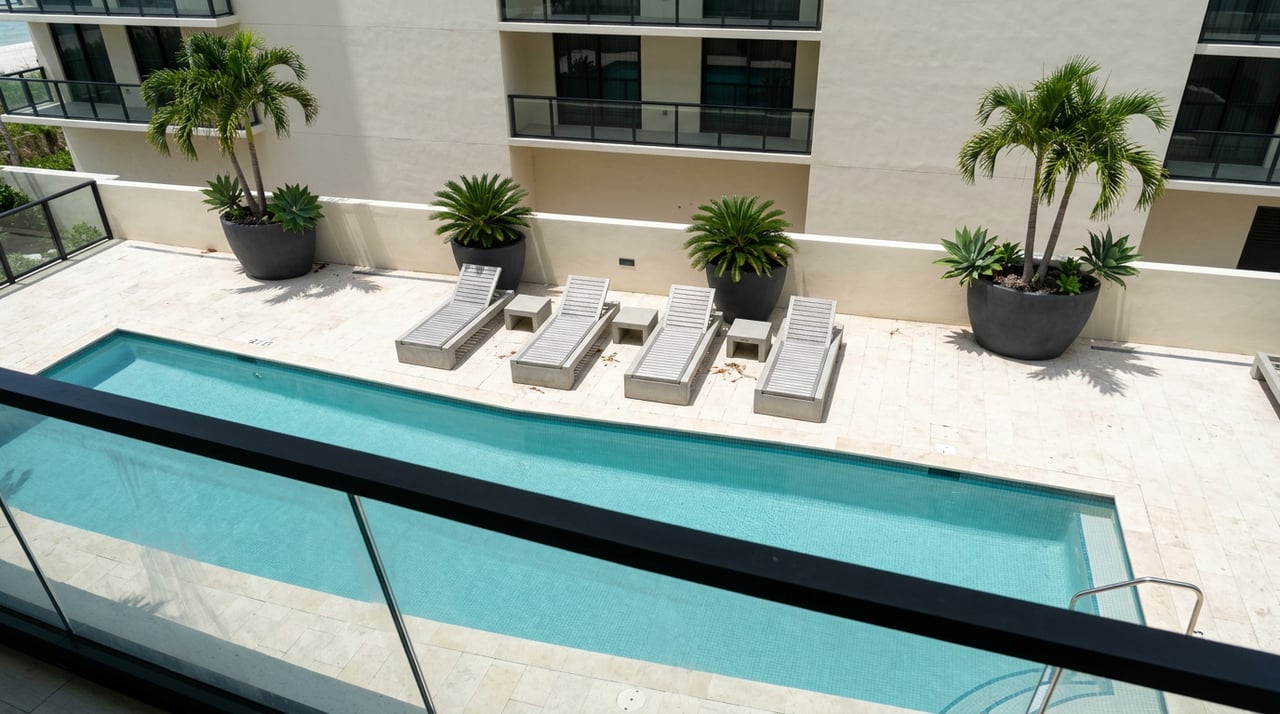
One of the main advantages of new construction is modern design and amenities. New developments typically reflect current architectural standards, energy-efficient systems, and contemporary finishes. Many projects include desirable features such as fitness centers, pools, rooftop terraces, secure parking, controlled access, and smart home technology. For buyers seeking a turnkey lifestyle, these conveniences can be highly appealing.
Another benefit is reduced maintenance during the early years of ownership. Because major systems and appliances are newly installed, the likelihood of immediate repairs is generally lower. Developers often provide warranties covering structural elements and key systems, which can offer peace of mind.
Some new developments allow buyers to customize finishes or upgrade packages during the pre-construction phase. This provides an opportunity to personalize the space without undertaking a full renovation after purchase.
There is also the possibility of appreciation during construction. In strong markets, early buyers may benefit if demand increases before the project is completed. By the time the property is delivered, its market value may exceed the original purchase price.
Additionally, new buildings typically comply with the most recent construction codes. In Puerto Rico, where weather resilience is important, newer structures may incorporate updated wind-resistant designs and modern engineering standards.
Tradeoffs of New Development
Despite the advantages, new development properties often come at a premium price. Buyers pay for modern amenities, updated infrastructure, and the appeal of being the first occupant. It is important to evaluate whether the price aligns with comparable resale values in the area.
Construction delays are another consideration. Supply chain disruptions, labor shortages, or permitting issues can extend completion timelines. Buyers must be flexible and prepared for potential changes in projected delivery dates.
Negotiation flexibility may also be limited. Developers tend to maintain firm pricing structures, especially in high-demand projects. While incentives may be offered, substantial price reductions are less common than in resale transactions.
In early phases of development, surrounding infrastructure such as retail spaces, landscaping, or community amenities may not yet be fully completed. This can temporarily impact convenience and neighborhood character.
Pros of Resale Properties
Resale properties often benefit from established neighborhoods with mature landscaping, community identity, and convenient access to schools, businesses, and services. In areas with historical significance or architectural charm, resale homes may offer character that new developments cannot replicate.
Another advantage is greater room for negotiation. Individual sellers may be more flexible regarding price, contingencies, and closing terms, potentially resulting in a better overall deal.
Resale properties are typically available for immediate occupancy. For buyers relocating quickly or seeking rental income without delay, this can be a significant advantage.
There is also potential for value creation through renovation. Buyers who are willing to update kitchens, bathrooms, or structural elements may increase the property’s market value while tailoring it to personal preferences.
Tradeoffs of Resale Properties
Older properties may require more maintenance, particularly in a tropical environment. Humidity, salt air, and storms can accelerate wear on roofs, plumbing, and electrical systems. Buyers should budget for inspections and potential upgrades.
Energy efficiency may be lower in older buildings. Without modern insulation, impact-resistant windows, or efficient HVAC systems, operating costs can be higher compared to new construction.
Amenities may also be limited. Established buildings may not offer features such as gyms, rooftop terraces, or advanced security systems that are common in newer developments.
In highly desirable neighborhoods, resale properties can attract strong competition. Limited inventory may result in multiple offers and reduced negotiating leverage for buyers.
Investment Considerations
Both new development and resale properties can perform well as investments, but their dynamics differ. New developments often attract tenants seeking modern finishes and amenities, which can support higher rental rates. Resale properties may appeal to tenants drawn to established communities or historic character.
Appreciation depends heavily on location, infrastructure, and broader economic factors. Areas benefiting from tourism growth, urban revitalization, or tax incentives may experience increased demand across both property types.
Insurance and resilience should also be considered. New construction typically adheres to updated building codes, which may improve storm resistance. Older homes might require retrofitting or upgrades to meet current standards, influencing insurance premiums and long-term costs.
Practical Tips for Buyers
Conduct thorough market research and compare price per square foot between new and resale options in your desired area. Review homeowners association fees, property taxes, and insurance costs.
For resale properties, always obtain a comprehensive inspection to identify structural or maintenance concerns. For new developments, request detailed documentation regarding warranties, projected completion dates, and HOA governance.
Evaluate the total cost of ownership rather than focusing solely on the purchase price. Maintenance, utilities, taxes, insurance, and potential renovations all contribute to long-term affordability.
Most importantly, align your decision with your personal objectives. If you value modern finishes and minimal immediate maintenance, new construction may be ideal. If you appreciate architectural character and negotiation flexibility, resale properties may better suit your needs.
Final Thoughts
Choosing between new development and resale properties in Puerto Rico involves balancing lifestyle preferences, financial considerations, and risk tolerance. New developments offer contemporary convenience, updated construction standards, and modern amenities. Resale properties provide character, immediate availability, and potential value through renovation.
There is no universally superior choice. The right decision depends on your timeline, budget, investment strategy, and desired living experience. With careful evaluation and professional guidance, buyers can find opportunities in both segments of Puerto Rico’s dynamic real estate market.